Georgia · 30 min · Vegan · Sauce & seasoning · For beginners
Pomidvris Adjika
In German: Adschika aus Tomaten · In English: Tomato adjika
For 10 servings · US units
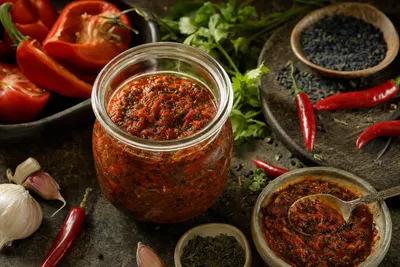
Georgian tomato adjika with red bell pepper, chili and a serious amount of garlic
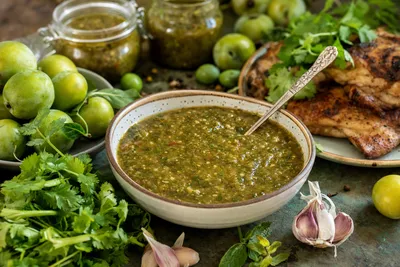
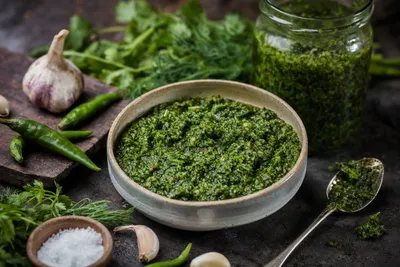
Adjika comes from Georgia, and this version with ripe tomatoes, red bell pepper and fresh chilies puts real heat and a taste of summer in a jar. It goes on the table as a sauce or dip for meat dishes and fish, and blitzed raw it tastes wonderfully fresh. Cook it down and it becomes a winter stash, which is how it's done in the original.
Ingredients
- 14⅛ oztomatoesripe, stem base removed, roughly chopped, peeled if desired
- 10½ ozbell pepperseeded, roughly chopped
- 3½ ozChilifresh; remove or keep seeds depending on desired heat
- 20 clovesgarlicpeeled
- 2⅔ tbspvegetable oilor another neutral vegetable oil
- 2 tspsaltadjust to taste
- black pepperground, to taste (optional)
- 2 tbspvinegar9 %, for the cooked version, added at the end (optional)
- 1 tbspsugarfor the cooked version (optional)
- ½ ozroughly chopped, for the Georgian-spiced version (optional)The fresh leaves and tender stems of the coriander plant, with a bright, lemony, pungent aroma.Substitute: There is no true substitute: flat-leaf parsley adds freshness and colour but not the distinctive aroma, and dried cilantro has little flavour left. If it is missing, use more of the other fresh herbs, knowing the dish will taste noticeably different.Read more
- 1 tspground (optional)Blue fenugreek, called utskho suneli in Georgia: dried, ground leaves and seed pods with a mild, hay-like, nutty aroma.Substitute: Dried fenugreek leaves from an Indian grocer come closest but are stronger and more bitter, so use about half the amount; ground fenugreek seed is harsher still and works only very sparingly. Khmeli suneli contains blue fenugreek but also brings coriander, dill and other spices, which changes the character of the dish.Read more
- 1 tspCorianderground (optional)
Method
- Prep the peppers and chiliesWash the bell pepper, chilies and tomatoes. Stem the bell pepper and chilies and cut out the white ribs, and scrape the seeds out of the bell pepper too. With the chilies it's your call: seeds out for a milder adjika, seeds in if you want it properly fiery.
- Chop tomatoes and bell pepperCut the stem base out of the tomatoes and chop them roughly. If you'd like a smoother paste without bits of skin, scald the tomatoes briefly in boiling water first and slip the skins off. Roughly chop the bell pepper.
- Peel the garlicPeel the garlic. Yes, that's a lot of cloves, and that's exactly what gives this adjika its character.
- Blend to a coarse mixtureBlitz the tomatoes, bell pepper, chilies and garlic in a blender, or put them through a meat grinder, until you have a medium-fine mixture. It should still have some texture rather than turning into a smooth purée.
- Season and let it restSeason the mixture with salt and sunflower oil, plus black pepper if you like. For a more Georgian flavor, stir in some chopped cilantro, blue fenugreek (utskho suneli) and ground coriander seed at this point. Let it all sit for a little while so the flavors come together.
- Simmer for the cooked versionFor the cooked version, put the mixture in a pot with the sugar and let it simmer gently for about 40–45 minutes until it thickens. Skim off any foam that rises as it cooks, and stir in the vinegar right at the end.
- Jar and storeSpoon the adjika into sterilized jars and seal them well. The raw version belongs in the fridge; the cooked one goes into the jars hot and is stored somewhere cool.
Tips and variations
Blitzed raw, adjika keeps in the fridge; cooked down with vinegar and sugar and jarred hot, it doesn't need the fridge at all. Process the filled jars for another 30–40 minutes and it'll keep for up to a year. If your paste is too runny, let it drain in a sieve and it'll thicken up nicely. For more depth, leave the bell peppers out to wilt in the air for 3–4 days before blending. Worth trying: adding carrot, adding mustard seeds and sweet paprika, adding purple basil and ground marigold (imeruli shaphrani), or the sweet-and-hot Siberian version with plums and tomato paste instead of fresh tomatoes. It's at its best as a sauce or dip with meat dishes and fish.
Something not right?
This recipe was put together from independent sources and checked before publishing. Even so, a mistake can slip through — an amount that does not add up, a step that does not work as written. If you spot something, write to us: we will look into it and put it right.